Maybe you bought a home with a 15-year-old pool that works but looks tired. Maybe the surface is rough, the lights don't work, and the equipment sounds like a jet engine. Or maybe the pool is fine — you just want it to be better. More modern. More fun. More you.
Good news: if you have a gunite (concrete) pool, almost everything can be upgraded, added, or replaced without tearing out the shell and starting over. Gunite shells are built to last 50+ years. What sits on top of and around that shell? That's all changeable.
Here's a complete rundown of what's possible, what it costs in 2026, and how to think about prioritizing your renovation budget.
How Much Does Pool Resurfacing Cost in a Renovation?
Resurfacing is the most common pool renovation — and often the most transformative. A new interior finish changes the entire look and feel of the pool. Old, rough, stained plaster becomes a smooth, clean surface in whatever color and texture you choose.
| Finish Type | Lifespan | Price Range |
|---|---|---|
| White/Colored Plaster | 7–12 years | $6,000–$8,000 |
| Quartz Aggregate | 12–18 years | $8,000–$12,000 |
| Pebble (PebbleTec, etc.) | 15–25 years | $10,000–$16,000 |
| Glass Bead | 15–20+ years | $14,000–$20,000 |
For a deeper dive on when to resurface and how to choose a finish, see our complete resurfacing guide.
Can You Add a Sun Shelf to an Existing Pool?
Yes — this is one of the most popular renovation requests we get in the Bradenton and Sarasota area.
A sun shelf (also called a tanning ledge or Baja shelf) is a shallow, flat area — typically 6–8 inches deep — where you can place lounge chairs in the water, let small children play safely, or just sit and cool off without fully submerging.
Retrofitting a sun shelf into an existing pool involves building out from the pool wall with new gunite, tying the new concrete into the existing shell, adding new plumbing for bubblers (optional), and finishing the surface to match the rest of the pool.
Cost: $5,000–$10,000 for a retrofit. This is more than adding one during new construction because of the demolition and tie-in work required. But for many homeowners, it's the single upgrade that gets the most use.
What Pool Equipment Should You Upgrade First?
If your pool equipment is more than 8–10 years old, upgrading it can dramatically improve efficiency, reduce noise, lower your electric bill, and simplify maintenance.
| Equipment Upgrade | Details | Price (Installed) |
|---|---|---|
| Variable-Speed Pump | Replaces single-speed; cuts energy use 60–80% | $1,500–$2,500 |
| Salt Chlorine Generator | Generates chlorine from salt; softer water | $1,500–$2,500 |
| Gas Heater | Fast heat-up, good for spas | $3,000–$5,000 |
| Heat Pump | Efficient for maintaining pool temp | $4,000–$7,000 |
The variable-speed pump is the single best equipment investment you can make. Florida law now requires them on new builds, and for good reason — they typically pay for themselves in energy savings within 2–3 years. If you're still running a single-speed pump, this should be at the top of your list.
A salt chlorine generator is the second most popular upgrade. It doesn't eliminate chlorine (it makes chlorine from salt), but the water feels noticeably softer, you stop buying and hauling chlorine jugs, and the system maintains a more consistent chlorine residual.
Is Pool Automation Worth It?
Pool automation lets you control your pump, lights, heater, spa, and water features from your phone. No more walking out to the equipment pad to flip switches or adjust timers.
The two dominant systems in our market are Hayward OmniPL and Pentair IntelliCenter. Both offer app-based control, scheduling, and integration with smart home platforms.
Cost: $3,000–$6,000 installed, depending on how many devices you're connecting and whether your existing equipment is compatible. If you're already replacing the pump and adding a heater, bundling automation into the same project saves on labor.
How Much Do LED Pool Lights Cost?
If your pool has the old incandescent lights (the ones that are either blinding white or burned out), replacing them with modern color-changing LEDs is a straightforward upgrade that makes a huge difference at night.
New LED pool lights cycle through colors, can be set to a single color to match your mood or landscape lighting, and last significantly longer than incandescent bulbs. Most pools have 1–2 lights.
Cost: $800–$1,500 per light installed. If you're adding automation at the same time, you can control the lights from your phone — change colors, set schedules, sync with the spa.
What Water Features Can You Add to an Existing Pool?
Water features add movement, sound, and visual interest to a pool that might otherwise look static. For more inspiration, see our best pool features guide. Here are the most popular options for existing pools:
- Bubblers — small jets installed in the sun shelf or shallow end that push water up in a gentle column. Great visual effect, especially at night with LED lighting. $500–$1,500 each.
- Deck Jets — arching streams of water that shoot from the deck into the pool. Clean, modern look. $500–$1,200 each.
- Sheer Descent Waterfall — a thin, wide sheet of water falling from a raised wall or spillway. The most dramatic single water feature you can add. $2,000–$4,000.
Water features require plumbing back to the equipment pad, so they're most cost-effective when added during a larger renovation (like resurfacing) when the pool is already drained and the ground is already open.
How Much Does It Cost to Replace Pool Deck and Coping?
The pool deck and coping (the cap on the pool wall where deck meets water) frame the entire pool. If your deck is cracked, stained, or outdated, refreshing it can transform the whole backyard.
- Paver overlay — install pavers directly over existing concrete. This is the most popular option: it covers imperfections, looks great, and pavers are individually replaceable if one cracks. $15–$25 per square foot.
- Coping replacement — remove old bull-nose or cantilevered coping and install new pavers, travertine, or natural stone coping. $3,000–$6,000 depending on material and pool perimeter length.
Can You Add a Spa to an Existing Pool?
Yes, you can add a spa to an existing gunite pool. It's one of the bigger renovation projects, but it's absolutely doable.
A retrofit spa involves excavating adjacent to the existing pool, building a new gunite shell tied into the existing structure, adding a separate plumbing loop with jets and an air blower, and often adding a dedicated heater. The spa is typically elevated above the pool with a spillover edge.
Cost: $15,000–$25,000 for a retrofit. It's more than building a spa as part of a new pool because of the tie-in complexity, but it adds significant value and usability — especially during Florida's cooler months (yes, we have them).
Should You Add or Replace a Screen Enclosure?
If your pool doesn't have a screen enclosure, adding one should be near the top of your priority list. If you already have one but the screen is torn or the frame is corroded, it may be time for a rescreen or replacement.
- New screen enclosure: $15,000–$20,000
- Rescreen existing frame: $2,000–$5,000
For the full breakdown on screen types, costs, and hurricane considerations, see our screen enclosure guide.
How Much Does a Complete Pool Renovation Cost in Florida?
Here's everything in one place:
| Renovation Item | Price Range (2026) |
|---|---|
| Resurfacing (plaster to pebble) | $6,000–$16,000 |
| Sun Shelf / Tanning Ledge (retrofit) | $5,000–$10,000 |
| Variable-Speed Pump | $1,500–$2,500 |
| Salt Chlorine Generator | $1,500–$2,500 |
| Heater (Gas or Heat Pump) | $3,000–$7,000 |
| Pool Automation System | $3,000–$6,000 |
| LED Light (per light) | $800–$1,500 |
| Bubblers (each) | $500–$1,500 |
| Deck Jets (each) | $500–$1,200 |
| Sheer Descent Waterfall | $2,000–$4,000 |
| Deck Paver Overlay (per sq ft) | $15–$25 |
| Coping Replacement | $3,000–$6,000 |
| Retrofit Spa | $15,000–$25,000 |
| New Screen Enclosure | $15,000–$20,000 |
| Rescreen Existing Enclosure | $2,000–$5,000 |
Should You Renovate Your Pool or Build New?
If your pool is gunite (concrete), the shell itself can last 50+ years. That means renovation is almost always the better value compared to demolishing and building new. You're keeping the most expensive and time-consuming part of the pool (the hole in the ground with steel and concrete) and upgrading everything around it.
Renovation makes sense when:
- The gunite shell is structurally sound (no major cracks, no heaving, no structural settling)
- You like the basic shape and size of the pool
- You want to modernize the look and add features without a 4–6 month construction project
A new build might make more sense when:
- The existing pool is vinyl or fiberglass with major structural issues
- The shell has significant structural damage (rare with gunite, but it happens)
- You want a completely different size, shape, or location
Here's what a full renovation can look like. Same pool, completely different experience:
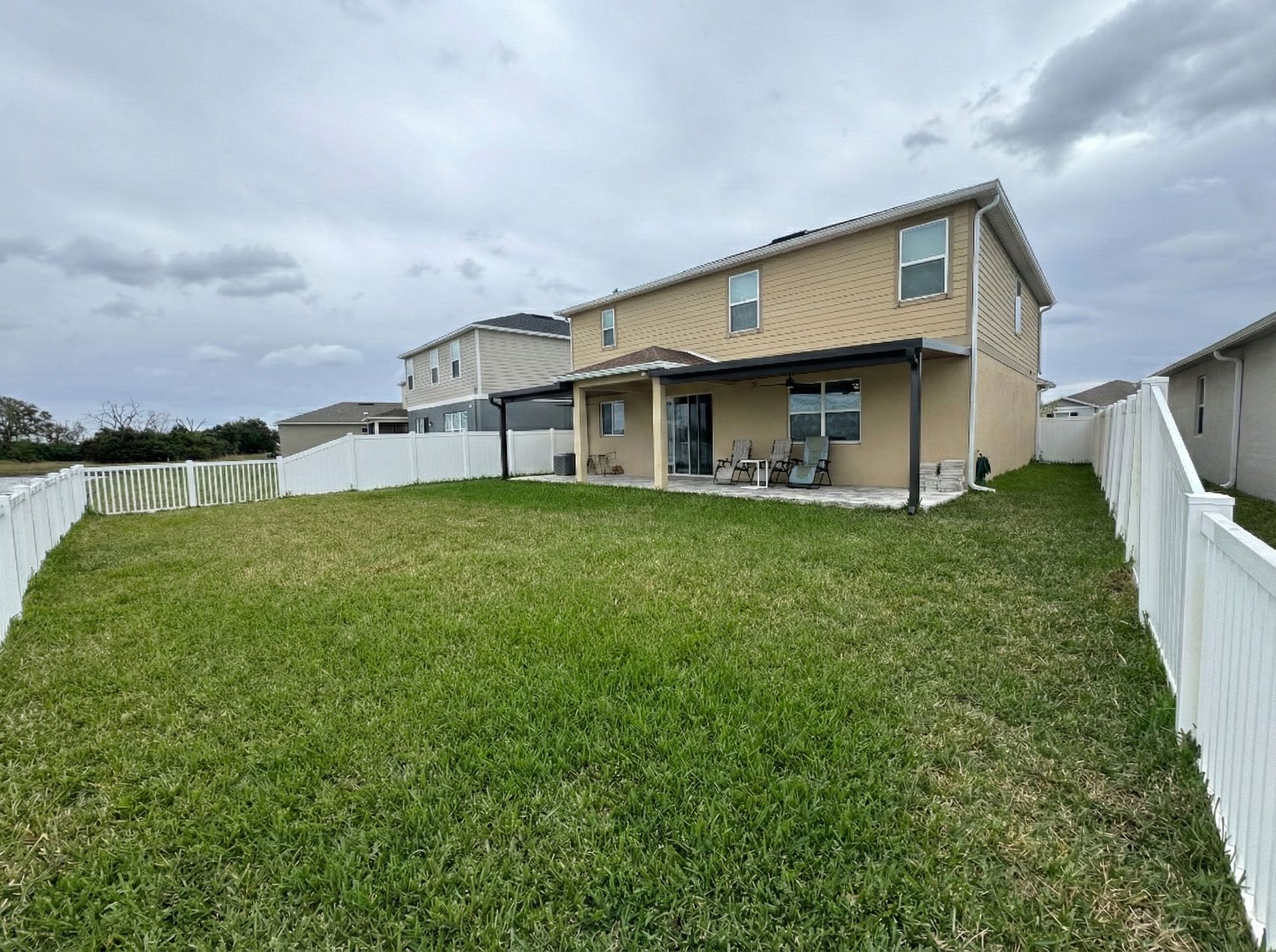
Before
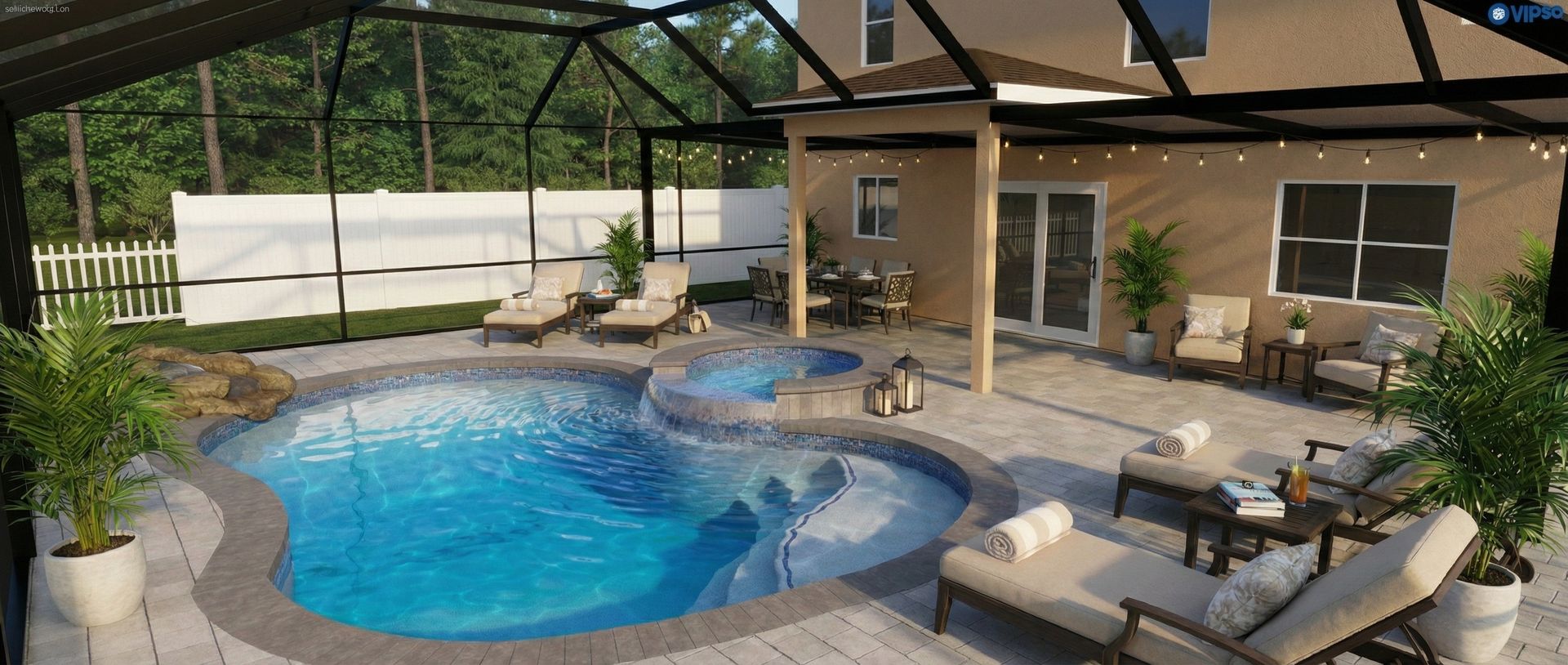
After
"Most of our renovation clients spend $30,000–$50,000 and end up with what looks and feels like an entirely new pool — at a fraction of what a new build would cost."
Bottom Line
An older pool doesn't have to stay old. Whether you're tackling one upgrade at a time or doing a comprehensive renovation, nearly everything about a gunite pool can be improved without starting from scratch. The shell is the foundation — and if it's solid, the rest is just choosing what you want. For help budgeting your project, our pool cost guide breaks down pricing across every category.
We help homeowners across Bradenton, Sarasota, Lakewood Ranch, Port Charlotte, and the surrounding Gulf Coast plan and execute pool renovations. Whether it's a simple resurface or a full-scale modernization with a new spa, sun shelf, and automation, we'll walk you through the options and give you real pricing before you commit to anything.
Frequently Asked Questions
How long does a pool renovation take?
A simple resurfacing takes about 5–7 working days. A moderate renovation (resurfacing plus equipment upgrades and lighting) typically takes 2–3 weeks. A comprehensive renovation that includes structural additions like a sun shelf or spa can take 4–8 weeks depending on permitting and scope. Your contractor should provide a detailed timeline before work begins.
Can you renovate a pool while living in the house?
Yes. Unlike new pool construction, most renovation work stays within the existing pool footprint. You'll lose pool access during the project, and there will be noise and crew activity during working hours, but most homeowners in the Sarasota and Lakewood Ranch area stay in their homes through the entire renovation without issue.
Do you need a permit for pool renovation in Florida?
It depends on the scope. A simple resurface or equipment swap typically does not require a permit. Adding structural elements (sun shelf, spa, raised walls), electrical work (new lights, automation), or a screen enclosure all require permits in Manatee and Sarasota counties. Your contractor should handle the permitting process.
What is the best pool renovation for resale value?
Resurfacing delivers the most visual impact per dollar spent. A clean, modern finish immediately makes the pool look new. After that, a paver deck overlay and updated LED lighting are the upgrades most likely to impress buyers. A screen enclosure in good condition is also essential for resale in the Gulf Coast market.
Ready to Upgrade Your Pool?
Free consultation. We'll assess your pool and show you what's possible within your budget.
Get Your Free Design →Sources
- Resurfacing lifespan: Pebble Technology International & National Plasterers Council
- Variable-speed pump energy savings: U.S. Department of Energy — Energy Star pool pump guidelines
- Equipment specifications: Hayward, Pentair, and Jandy
- Florida variable-speed pump requirement: Florida Building Code, Energy Conservation — Section R403.11
Pricing reflects 2026 estimates for Southwest Florida and may vary by pool size, condition, and scope of work. Final pricing is determined after a free on-site assessment. Contact us for an accurate quote.